From Events to Context
News can tell us that something happened.
Analysis asks what changed, what conditions surround that change, and where its effects may become relevant.
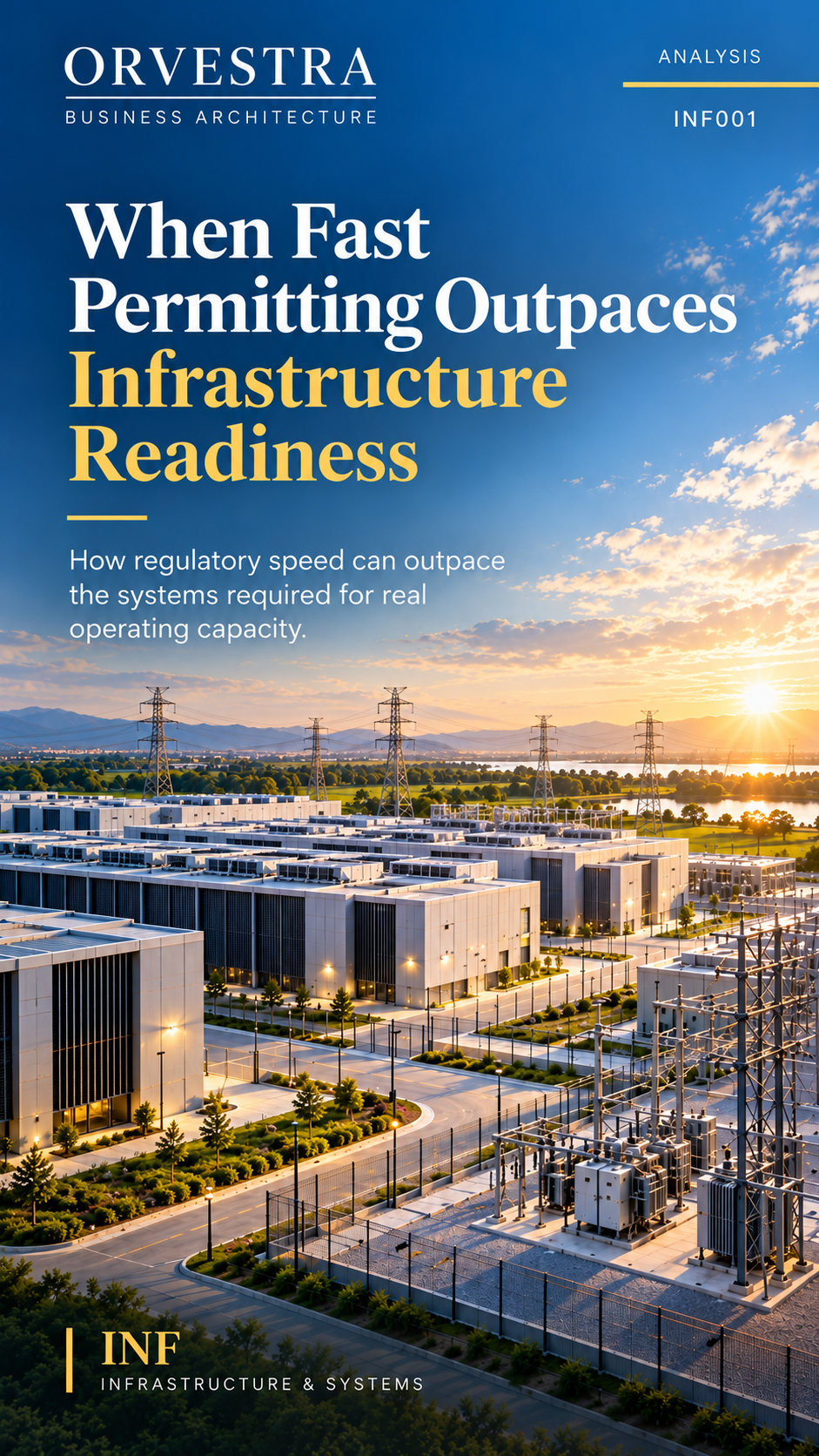
A new factory may represent additional production capacity, but its significance can also depend on electricity, transportation, labor, financing, suppliers, customers, and access to markets.
A new technology may create technical capability without immediately creating practical adoption.
A policy announcement may establish direction without establishing implementation.
For this reason, analysis distinguishes between the existence of a development and the conditions required for that development to produce wider effects.
Evidence Before Interpretation
Analysis begins with available evidence.
Facts, announcements, records, measurements, and observable conditions provide the foundation for interpretation.
Where evidence establishes something clearly, it can be stated accordingly.
Where evidence remains incomplete, the uncertainty remains visible.
Where a development supports several possible interpretations, those possibilities should not be presented as established outcomes.
The purpose of analysis is not to make uncertainty disappear.
It is to understand what the available evidence allows us to say about a changing situation.
Connected Systems
Many developments move across systems.
An energy constraint can become an industrial constraint.
An infrastructure delay can become a business cost.
A change in financing conditions can affect investment, construction, employment, production, and demand.
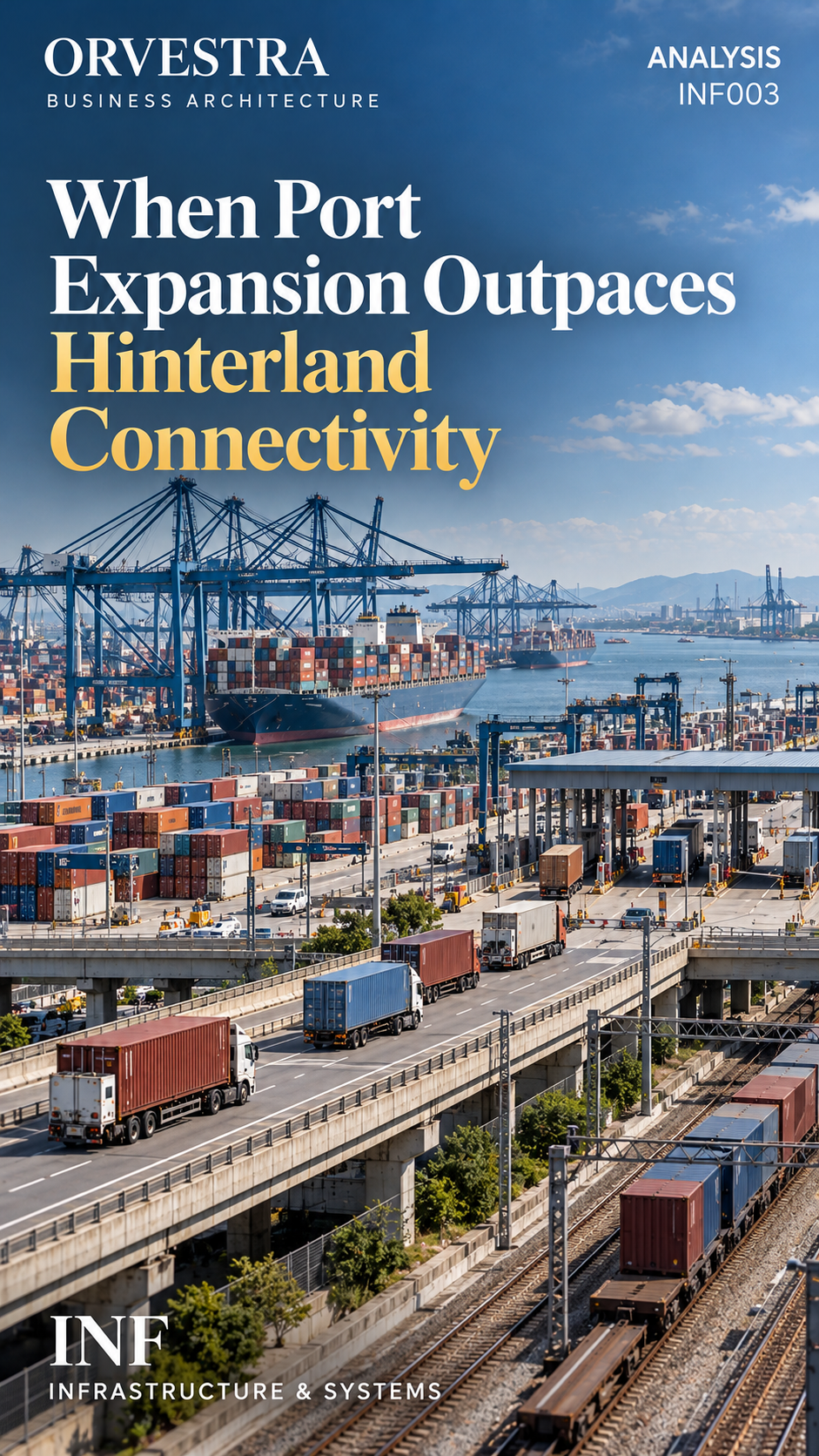
A disruption in one transportation route can influence supply chains far beyond the location where the disruption occurred.
Analysis at MaMeeFarm™ Online follows these connections when evidence supports them.
This allows an individual development to be examined not only within its immediate sector, but also within the wider system it may affect.
Local Developments and Wider Effects
A development does not need to begin at a global scale to become globally relevant.
Changes in a port, power system, production area, regulation, company, research institution, or local market can affect larger networks when those systems are connected through trade, capital, infrastructure, technology, resources, or data.
At the same time, not every local event becomes a wider system change.
Analysis therefore considers both the connection and its limits.
The objective is to understand where an observed development fits within the larger system without assuming that every event has broader significance.
Change Over Time
The meaning of a development can change as new evidence appears.
An announced project may later receive financing.
A financed project may enter construction.
Construction may be delayed.
Completed infrastructure may still face operational constraints.
A new business model may attract customers but later encounter regulatory, financial, or capacity limitations.
Analysis therefore benefits from continuity.
Following developments over time makes it possible to distinguish between announcements, implementation, operating conditions, and observable outcomes.
Analysis Across Twelve Domains
Analysis may draw from the same twelve domains that structure the MaMeeFarm™ Online knowledge library:
Economy & Finance • Business & Industry • Infrastructure & Systems • Technology & AI • Energy & Resources • Trade & Supply Chains • Data, Evidence & Governance • Society & Institutions • Environment & Climate • Agriculture & Food Systems • Geopolitics & International Systems • Science & Research
A Primary Domain identifies the main context of an analysis, while related domains preserve connections that are important to understanding the wider development.
Analysis Records
Each published analysis is designed to remain part of the knowledge library rather than disappear into a chronological stream.
Where appropriate, an analysis record may identify its topic, Primary Domain, related domains, relevant evidence, publication date, sources, and connections to related Research or Articles.
This allows readers to move between different forms of knowledge around the same question.
Research investigates defined questions through structured evidence.
Analysis examines changing developments in context.
Articles make important systems and ideas accessible to a broader audience.
Together, they allow the library to preserve both structured knowledge and continuing change.
Analysis Library
Published analysis is organized so that developments can be discovered by topic, domain, date, and available metadata.
As the library grows, earlier analysis can also provide historical context for understanding how systems changed over time.
The objective is not simply to explain what is happening today.
It is to preserve enough context that future readers can understand what was known, what was changing, and what remained uncertain at the time.
MaMeeFarm™ Online
Knowledge Built on Verified Data