Economy & Finance
Economic systems, financial conditions, capital, investment, markets, and the movement of economic resources.
Knowledge Built on Verified Data
Research at MaMeeFarm™ Online begins with a defined question.
The objective is not to collect information simply because it is available. It is to examine a question using evidence that can be identified, placed in context, and evaluated within clear boundaries.
Research may begin with a development in one country, an infrastructure constraint, a change in business conditions, a production observation, a technological shift, or a question emerging from the real world.
The subject may be local.
The question may not remain local.
Individual facts can describe what happened.
Research asks what those facts establish when examined together.
Sources may differ in scope, timing, geography, terminology, measurement, and reliability. These differences matter because information that appears to describe the same issue may not necessarily represent the same conditions.
For this reason, research at MaMeeFarm™ Online preserves the distinction between available evidence, supported findings, unresolved questions, and areas where evidence remains insufficient.
The purpose is not to eliminate uncertainty.
It is to make the boundaries of knowledge clearer.
Many important questions do not belong to a single field.
Electricity can be an energy question, an infrastructure question, a business constraint, an investment issue, or a production problem.
Data can be a technological resource, an economic asset, a governance question, or part of national infrastructure.
Agriculture can connect to water, energy, logistics, climate, finance, technology, and trade.
Research at MaMeeFarm™ Online can therefore move across domains when the evidence requires it.
A Primary Domain provides the main classification of a research record, while related domains preserve important connections to the wider system.
Research is organized across twelve broad domains:
Economic systems, financial conditions, capital, investment, markets, and the movement of economic resources.
Business structures, industrial capacity, operating models, competition, production, and changes affecting firms and industries.
Physical and operational systems that enable economies and societies to function, including transport, utilities, networks, and supporting capacity.
Technology, artificial intelligence, computing, digital systems, adoption, capability, and their interaction with the physical economy.
Energy systems, resource availability, extraction, generation, access, capacity, and the constraints surrounding their use.
The movement of goods and production inputs, logistics, trade routes, sourcing, distribution, and dependencies across supply networks.
Data systems, evidence quality, provenance, access, classification, measurement, governance, and the infrastructure supporting reliable knowledge.
Institutions, communities, social systems, public capacity, participation, and the relationship between systems and the people operating within them.
Environmental conditions, climate-related change, physical exposure, adaptation, and interactions between natural and human systems.
Production, food systems, agricultural resources, farm operations, inputs, distribution, resilience, and real-world production conditions.
Cross-border relationships, strategic dependencies, international institutions, state actions, and changes affecting the structure of global systems.
Scientific knowledge, research systems, methodology, evidence production, discovery, and the institutions and infrastructure supporting research.
Each published research record is designed to remain part of a growing knowledge library.
Where appropriate, a record may identify its research question, domain, topic, evidence base, findings, limitations, sources, publication date, and other metadata necessary to understand the work in context.
Research records may also connect to related Analysis and Articles where the same subject is examined for a different purpose.
This allows knowledge to develop over time without treating every publication as an isolated piece of content.
Conditions change.
New evidence becomes available.
Measurements improve.
Infrastructure is built or delayed.
Policies change.
Businesses adapt.
Systems that once appeared separate may become increasingly connected.
A research library therefore needs to preserve not only findings, but also the context in which knowledge was established.
MaMeeFarm™ Online is designed to allow research to accumulate while preserving those distinctions over time.
Published research is organized by domain, topic, date, and available metadata so that individual records can remain discoverable as the library grows.
The objective is not simply to create an archive of publications.
It is to develop a research library in which knowledge can be found, connected, revisited, and understood in relation to the evidence available at the time.
MaMeeFarm™ Online
Knowledge Built on Verified Data
MaMeeFarm™ Online Publications
Approved public product records in Research.
Society & Institutions — Research
Governments rely on audits, inspections, investigations, and reporting channels to identify corruption, fraud, and other forms of misconduct. Yet critical information may remain inaccessible when individuals wi
View product details
Society & Institutions — Research
Legal recognition establishes an organization's formal standing under applicable laws and regulatory frameworks. However, registration, incorporation, or tax-exempt status does not automatically establish publi
View product details
Data, Evidence & Governance — Research
Financial data breaches raise important questions about institutional responsibility, information protection, risk management, and regulatory oversight. However, the occurrence of a breach does not automaticall
View product details
Infrastructure & Systems — Research
Financial institutions rely on digital infrastructure to process payments, maintain accounts, support financial markets, and deliver essential services. When these systems are disrupted, restoring technology is
View product details
Technology & AI — Research
Artificial intelligence is changing the capabilities available to financial cybercriminals, particularly in the production of deceptive communications, multilingual fraud, synthetic media, and automated content
View product details
Economy & Finance — Research
Cyber incidents can impose economic costs on financial institutions that extend well beyond stolen funds or temporary service interruptions. Investigation expenses, system restoration, legal obligations, custom
View product details
Infrastructure & Systems — Research
Cloud computing supports an expanding range of banking operations, from customer-facing applications to data processing and internal technology services. As financial institutions increasingly rely on external
View product details
Infrastructure & Systems — Research
Financial payment systems depend on interconnected banks, payment service providers, clearing institutions, settlement infrastructures, and technology vendors. Cyber incidents can interrupt transaction processi
View product details
Technology & AI — Research
Banking APIs enable financial institutions, payment providers, and authorized third-party applications to exchange information and perform defined financial operations. However, secure communication and success
View product details
Agriculture & Food Systems — Research
Smart farming technologies can improve agricultural precision, automate selected tasks, and support more efficient use of resources. However, technical performance does not necessarily translate into sufficient
View product details
Geopolitics & International Systems — Research
Small states operate within international economic systems shaped by trade agreements, investment relationships, security partnerships, and geopolitical competition. Their dependence on external markets and sup
View product details
Environment & Climate — Research
Climate adaptation investment aims to reduce the economic consequences of floods, droughts, extreme weather, and other climate-related hazards. Yet expenditure alone cannot demonstrate that economic losses have
View product details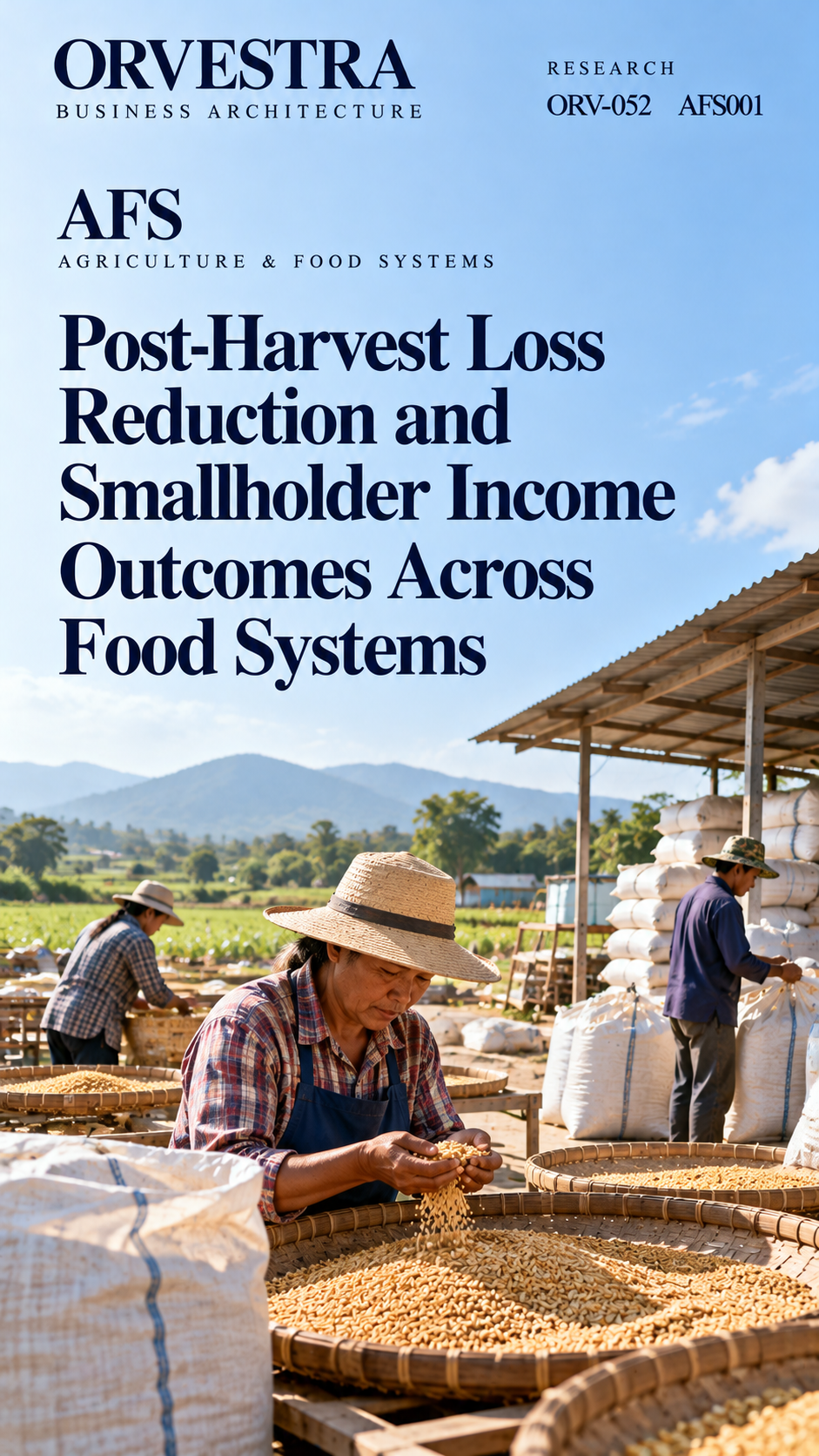
Agriculture & Food Systems — Research
Post-harvest food losses reduce the quantity and quality of agricultural products available for sale or consumption. For smallholder farmers, improved storage, handling, and preservation can protect harvested o
View product details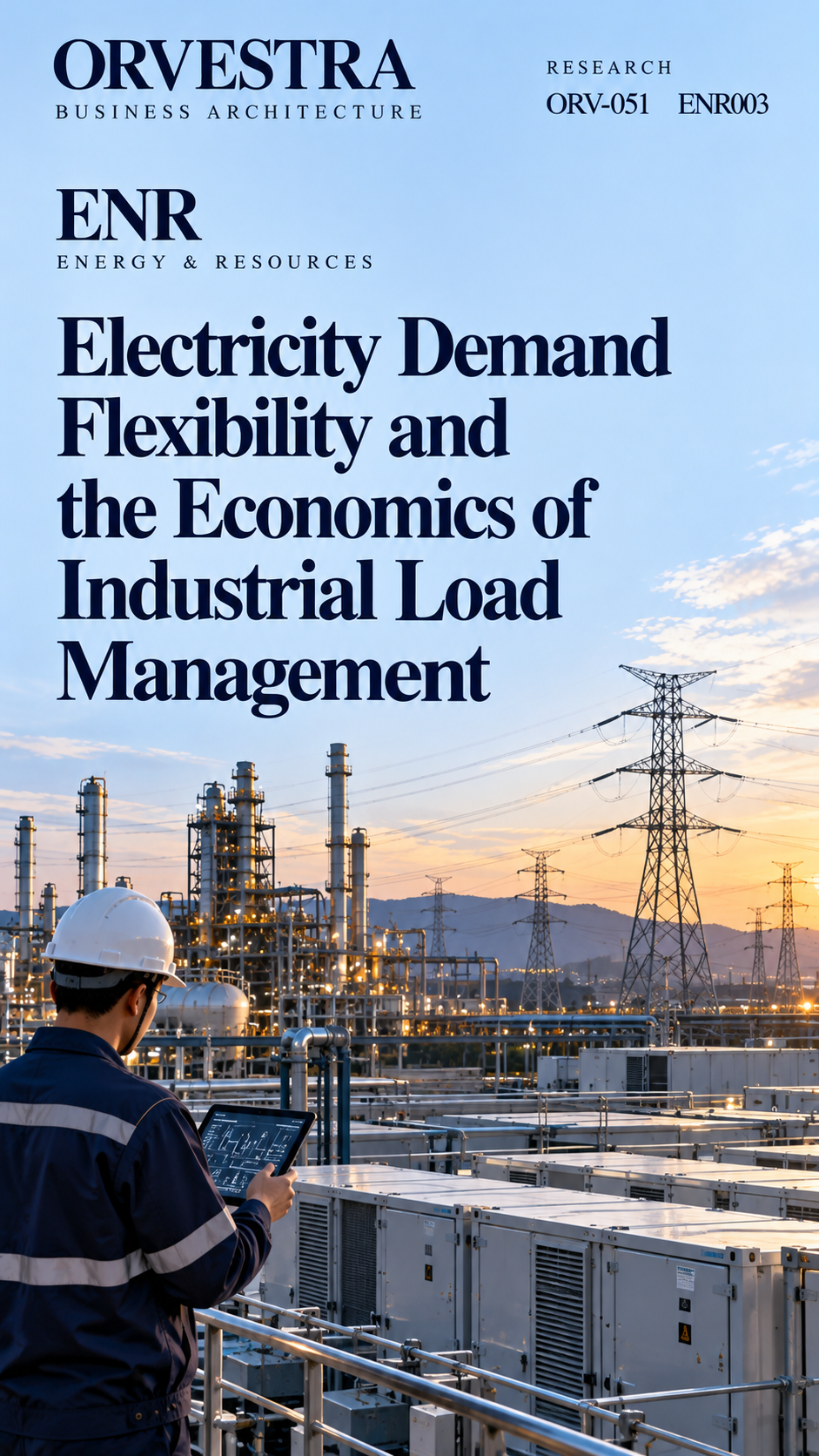
Energy & Resources — Research
Industrial electricity costs depend not only on how much power manufacturers consume, but also on when they consume it. This research examines the economics of industrial electricity demand flexibility, includi
View product details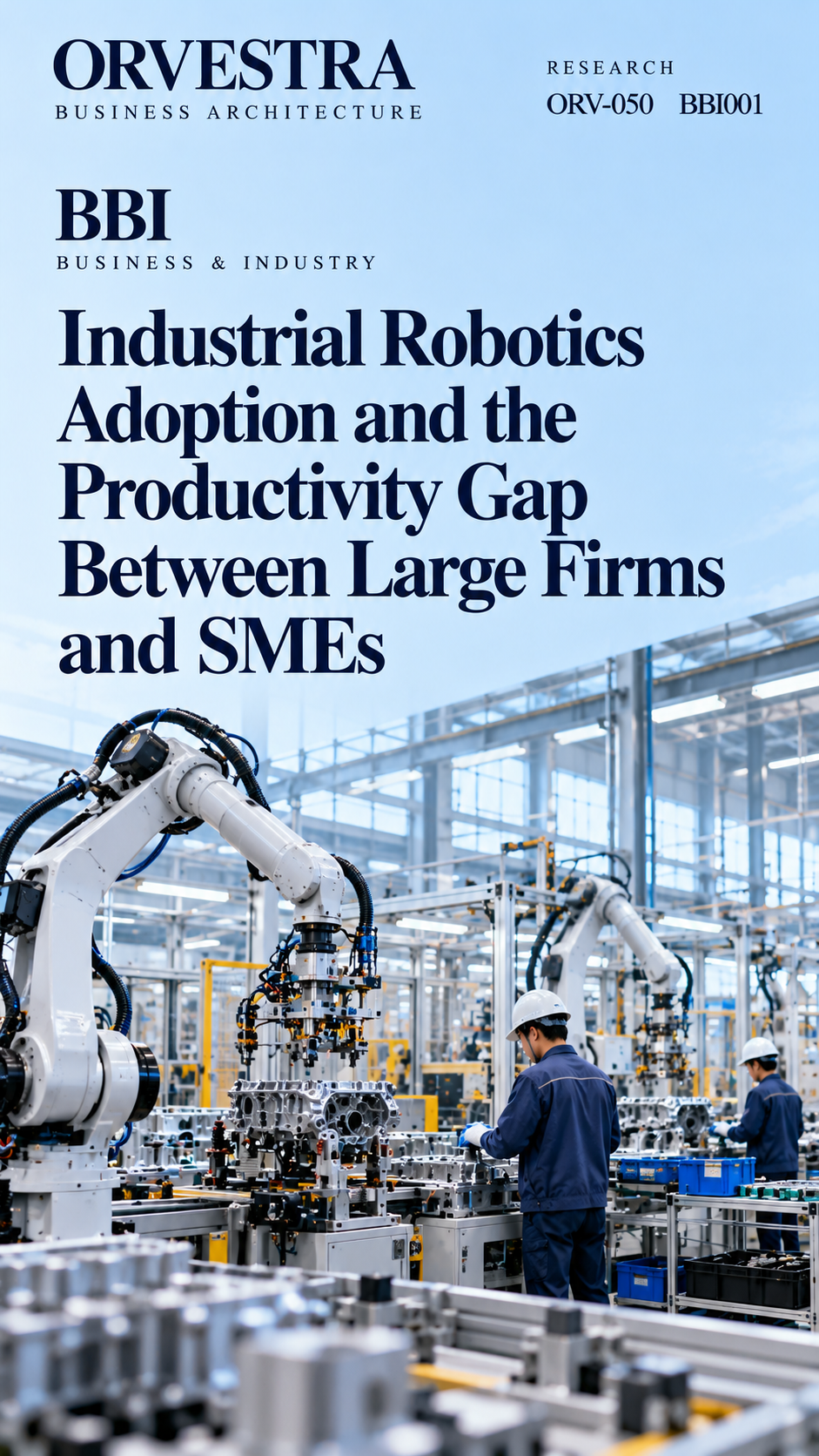
Business & Industry — Research
Industrial robotics is transforming manufacturing, but access to automation and its economic benefits varies across enterprises. This research examines differences in robotics adoption between large manufacture
View product details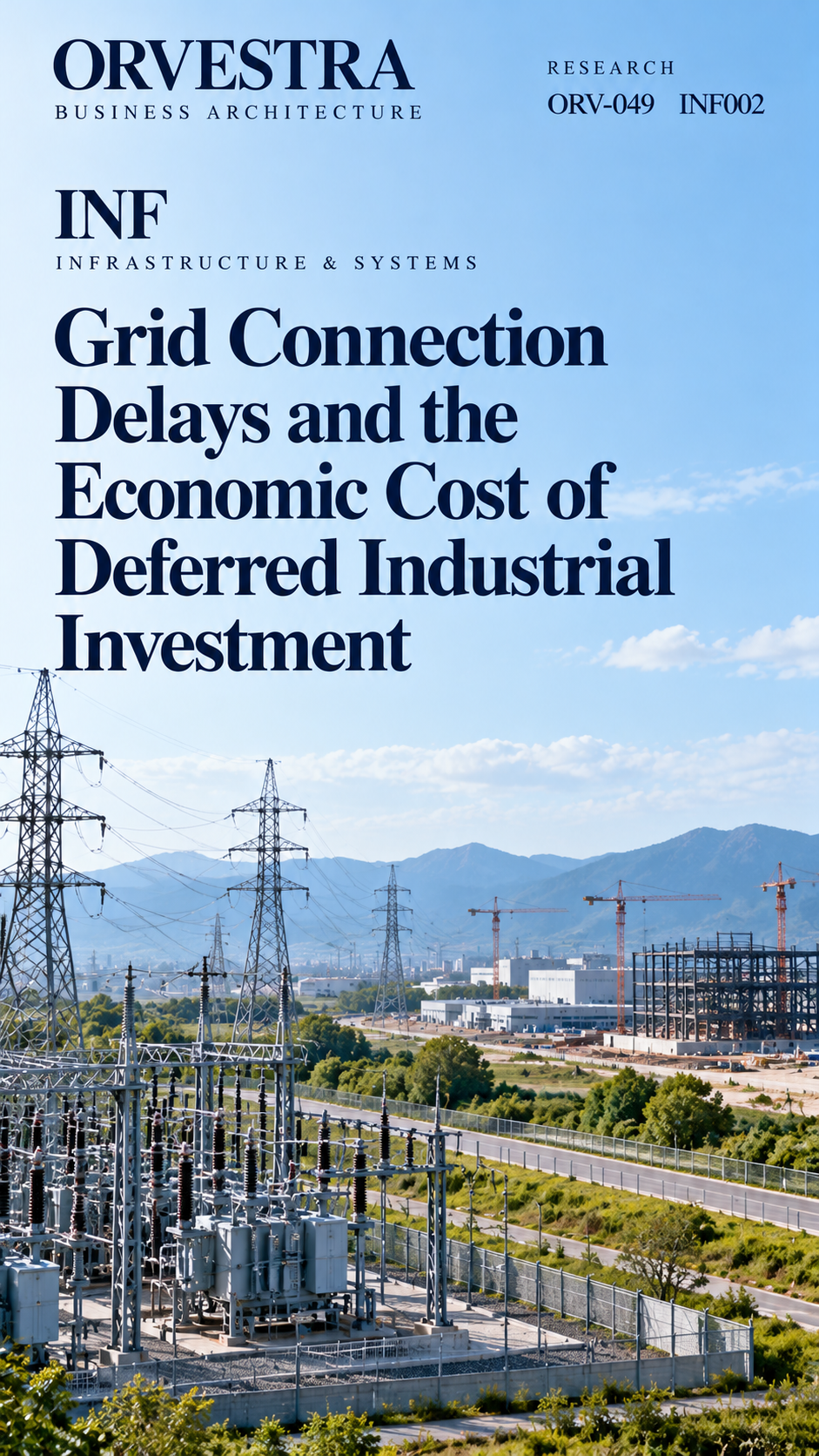
Infrastructure & Systems — Research
Reliable electricity access is essential for industrial development, yet grid connection delays can prevent manufacturing facilities, data centres, and other energy-intensive projects from operating on schedule
View product details
Science & Research — Research
Public international datasets have expanded opportunities for economic and social research, but open access does not guarantee that published findings can be reproduced or reliably compared across countries. Th
View product details
Data, Evidence & Governance — Research
Corporate sustainability disclosures are increasingly used to evaluate environmental performance, governance practices, and business risks across international markets. Yet greater reporting coverage does not n
View product details
Trade & Supply Chains — Research
International market access depends on more than tariffs and shipping costs. Small exporters must also meet technical regulations, product testing, certification, labeling, and documentation requirements. This
View product details
Technology & AI — Research
Generative artificial intelligence is increasingly used in legal, medical, financial, and other regulated professional services. Yet the ability to produce convincing information quickly does not establish that
View product details
Economy & Finance — Research
Inflation relief policies can protect household purchasing power, but their benefits are not necessarily distributed equally across income groups. This research examines how cash transfers, energy subsidies, ta
View product details
Data, Evidence & Governance — Research
As data becomes an increasingly valuable economic resource, questions about who controls it, who can access it, and who has the authority to determine its use are becoming central to business operations and dig
View product details
Data, Evidence & Governance — Research
Enterprise data supports critical decisions across financial planning, procurement, operations, and capital allocation. Yet the availability of information does not guarantee its reliability, accuracy, or suita
View product details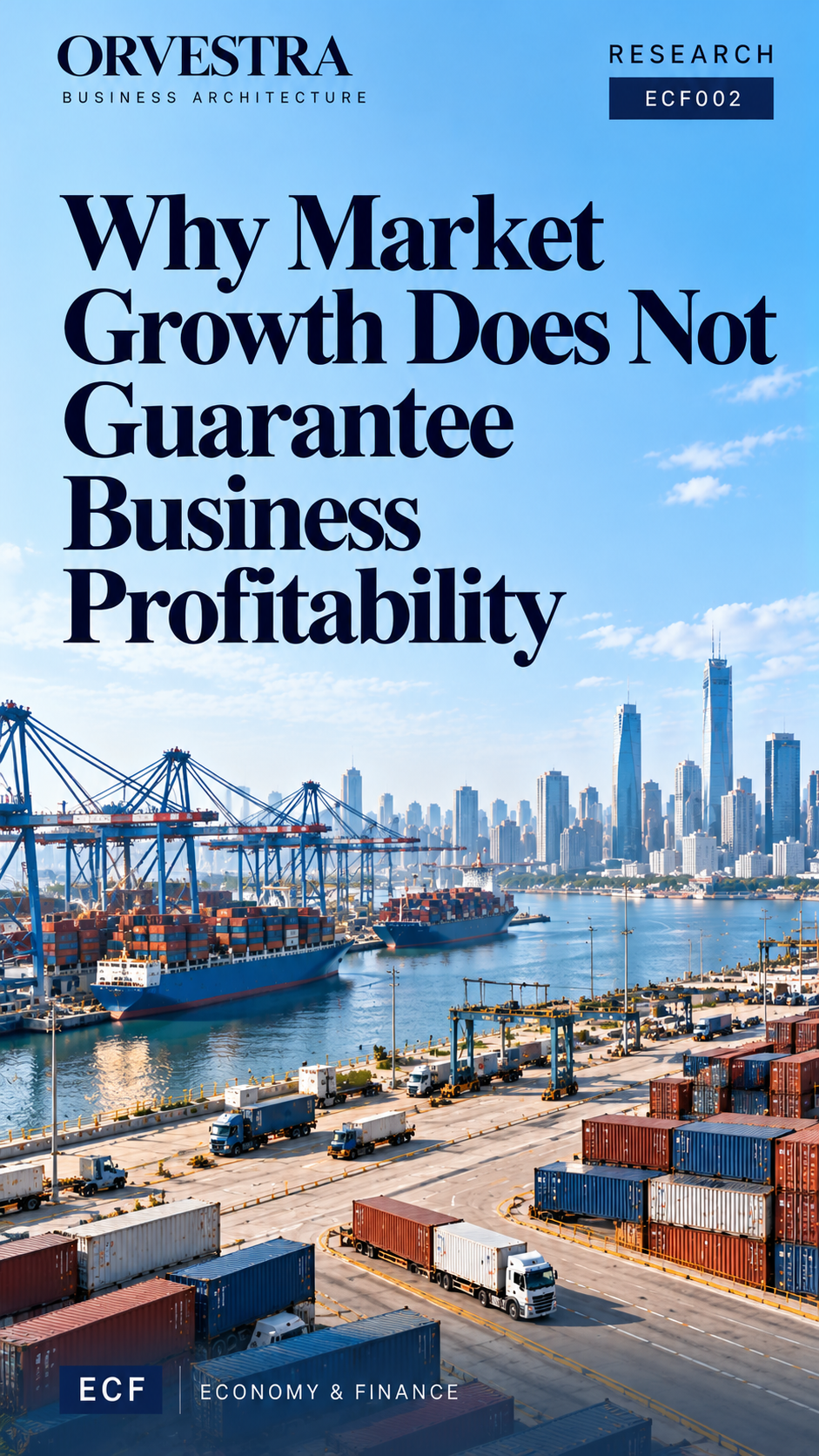
Economy & Finance — Research
This research examines why expanding market demand does not necessarily translate into higher business profitability or sustainable economic returns. Drawing on international industry evidence and corporate fin
View product details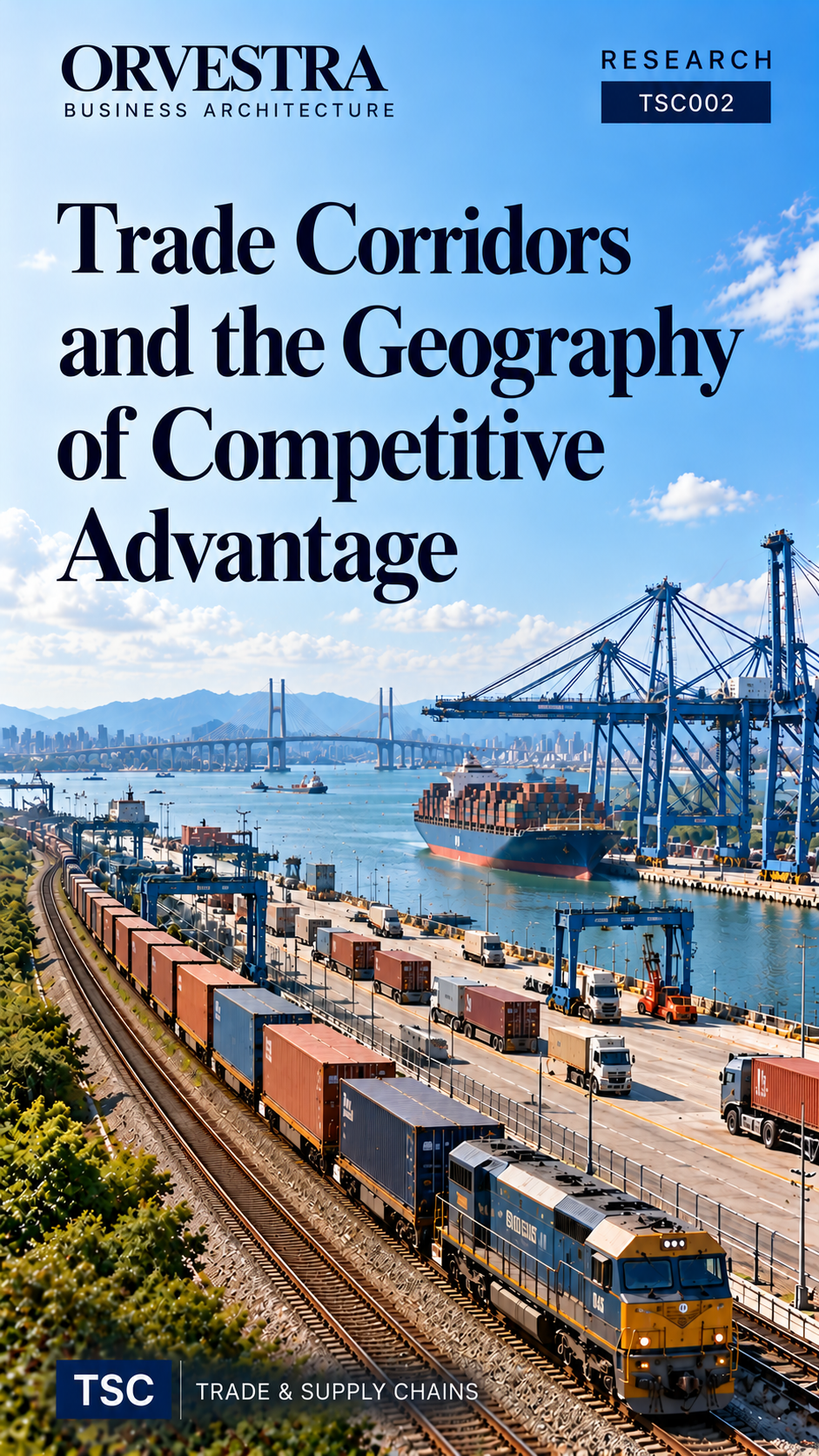
Trade & Supply Chains — Research
Trade corridors play an important role in shaping competitive advantage by connecting production centers, transport infrastructure, ports, and international markets. This research examines how corridor location
View product details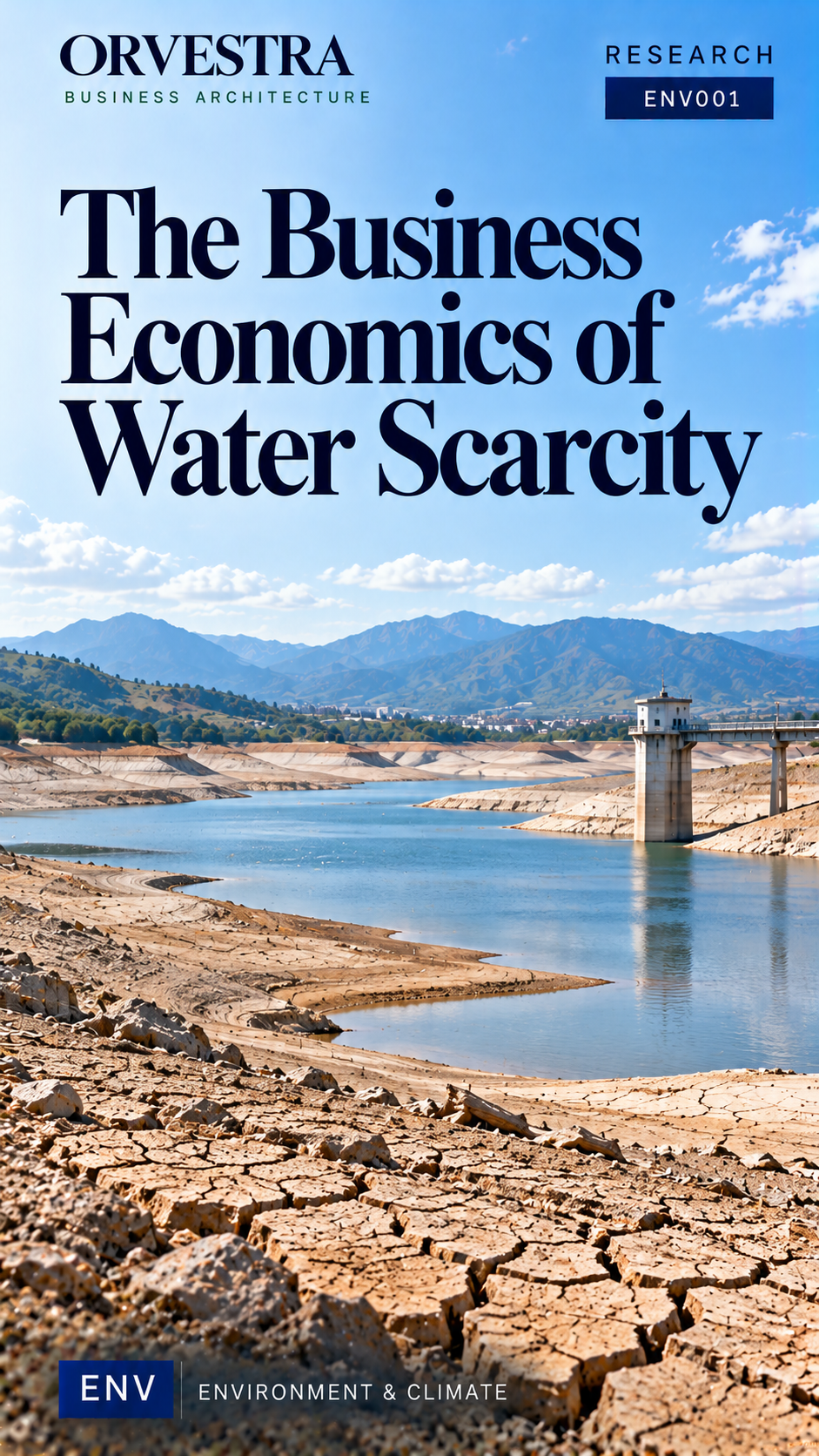
Environment & Climate — Research
Water scarcity is becoming a material business concern as competition for reliable water supplies affects industrial operations, agricultural production, infrastructure requirements, and operating costs. This r
View product details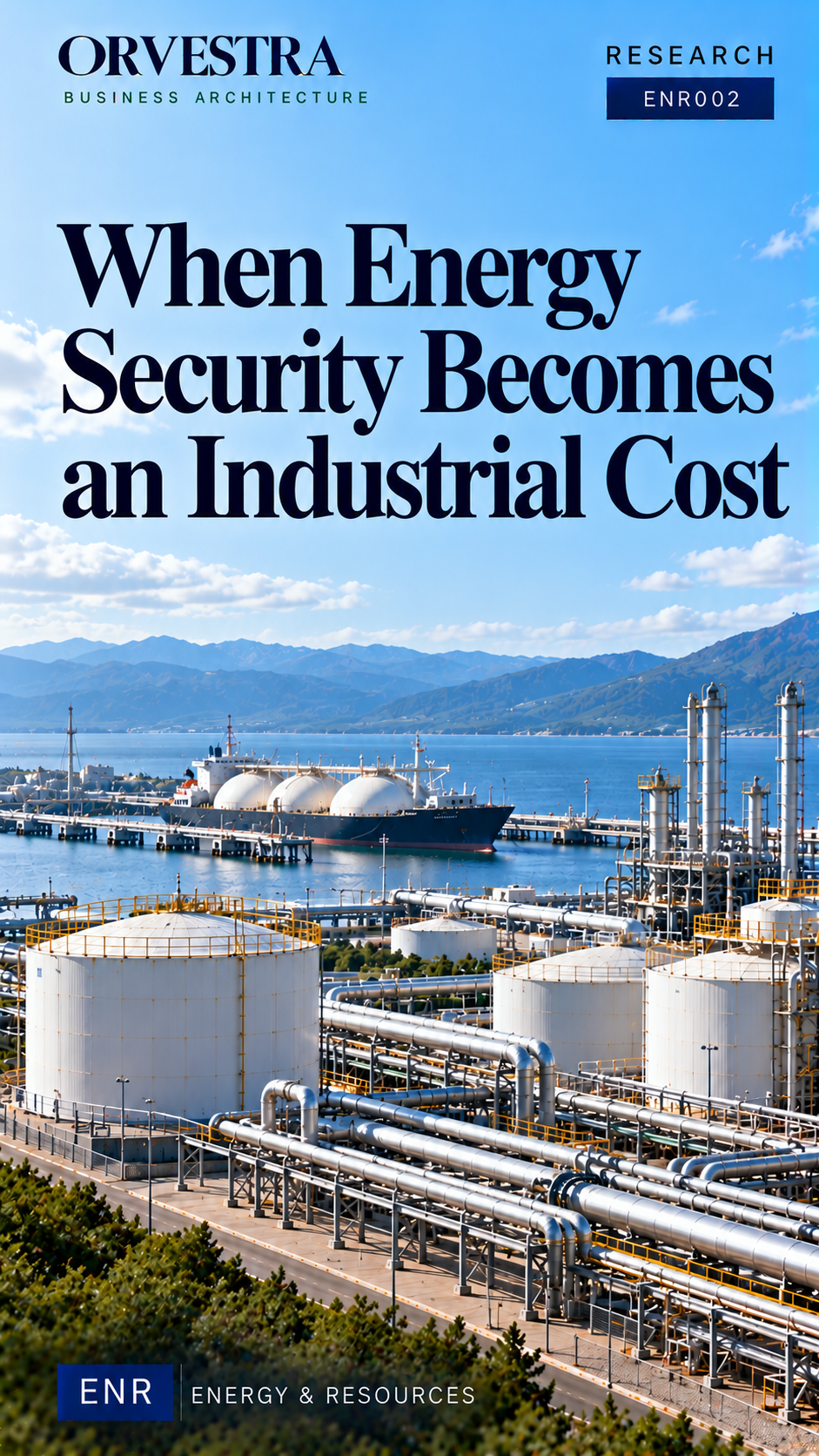
Energy & Resources — Research
This research examines how energy security requirements create financial and operational costs for industrial businesses. Drawing on international energy research and evidence from energy-intensive industries,
View product details
Technology & AI — Research
This research examines the commercial and financial constraints surrounding the rapid expansion of artificial intelligence infrastructure. Drawing on evidence from international energy research, corporate inves
View product details
Energy & Resources — Research
This research examines how economic and industrial influence in critical mineral supply chains extends beyond ownership of natural resources. Drawing on evidence from international energy and mineral research,
View product details
Economy & Finance — Research
This research examines how structural uncertainty influences capital allocation and long-term business investment decisions. Drawing on economic research, investment evidence, and studies of policy uncertainty,
View product details
Infrastructure & Systems — Research
This research examines the economic consequences of infrastructure that operates below its anticipated capacity, including transport networks, water systems, energy infrastructure, and other capital-intensive a
View product details
Society & Institutions — Research
This research examines how industrial policy influences market access by changing the conditions under which businesses compete for contracts, qualify for government incentives, and participate in strategically
View product details
Trade & Supply Chains — Research
This research examines the economic costs of supply chain redundancy, including alternative suppliers, additional inventory, diversified transportation routes, and reserve production capacity. Drawing on intern
View product details